
Rodent infestations can be a significant concern for homeowners and business owners alike. These pests, including mice and rats, are not only unsightly but can also pose serious health and safety risks. While DIY rodent control methods may offer temporary relief, professional rodent control services provide a more effective, long-lasting solution to the problem.
Why Professional Rodent Control is Essential
- Health and Safety Risks
Rodents carry harmful diseases such as Hantavirus, Salmonella, and Leptospirosis that can be transmitted to humans through droppings, urine, or contact with contaminated surfaces. Additionally, their presence can worsen allergies or asthma symptoms due to allergens found in their fur. - Property Damage
Rodents are notorious for chewing on wires, insulation, wood, and other structures within your property. This behavior not only weakens structural integrity but also increases the risk of electrical fires. - Elimination of Hidden Infestations
Professionals are trained to locate hidden nests and entry points that are often overlooked by untrained individuals. They ensure complete eradication of rodents rather than just addressing the visible problem. - Use of Safe Methods
Certified pest control technicians use eco-friendly and humane methods when dealing with rodents. They minimize exposure to harmful chemicals while effectively managing infestations.
Signs You Need to Call Experts
- Visible Droppings: Finding small droppings in cabinets, drawers, or along baseboards is a clear indication of rodent activity.
- Gnaw Marks: Chewed wires, furniture edges, or food packaging suggest an active infestation.
- Unusual Sounds: Scratching noises in walls or ceilings during nighttime hours typically point to rodents.
- Nesting Materials: Shredded paper or fabric located in isolated areas may indicate nesting activity.
- Strong Odors: A musky smell caused by urine buildup can signal a significant infestation.
If any of these signs are present on your property, it’s time to consult pest control professionals.
Advantages of Hiring Experts
| Feature | Benefit |
| Inspection & Assessment | Professionals identify entry points and assess the size of infestations |
| Customized Treatment Plan | Solutions designed specifically for your property’s needs |
| Follow-Up Services | Regular monitoring prevents future infestations |
| Preventive Advice | Guidance on sealing gaps and eliminating attractants |
Preventive Measures You Can Take
- Seal all cracks and holes around doors, windowsills, pipes, and utility lines.
- Store food in airtight containers to reduce temptations for pests.
- Keep basements and attics dry since rodents thrive in moist environments.
- Regularly clean up crumbs or spills from floors and countertops.
- Trim tree branches near rooftops to limit access points for climbing rodents.
Timely intervention from professional pest control services not only safeguards your property but also protects you from potential health hazards that rodents bring into living spaces—making expert assistance indispensable when dealing with these persistent pests.
Protect Your Home in Kendall FL with Effective Pest Control Against Rodent Health Risks
Rodents, such as mice and rats, are more than just a nuisance—they pose significant risks to your health and safety. Identifying these risks and implementing protective measures can help ensure your home remains a safe and comfortable environment for your family.
Effective Pest Removal Kendall FL: Addressing Health Risks from Rodents
- Hantavirus: Spread through contact with rodent urine, droppings, or saliva. Inhaling contaminated air in enclosed spaces is also a major transmission route.
- Salmonella: Rodents can contaminate food sources, leading to food poisoning if consumed.
- Leptospirosis: Contracted through exposure to water or soil that has been contaminated by rodent urine.
- Rat-Bite Fever: Can result from handling infected rodents or consuming contaminated food or water.
- Allergies and Respiratory Issues:
The buildup of rodent dander, fur, droppings, and urine in indoor spaces may trigger allergies or exacerbate respiratory conditions such as asthma. - Parasites:
Rodents often carry fleas, ticks, mites, and lice. These parasites not only harm pets but can also spread additional diseases like Lyme disease through bites.
How to Spot Signs of a Rodent Infestation with a Pest Control Company Kendall FL
- Droppings near food storage areas or along baseboards.
- Chewed wires, furniture, or other materials.
- Scratching noises inside walls or ceilings.
- Grease marks along walls where rodents frequently travel.
- Nests made of shredded paper or other materials in hidden areas.
Effective Pest Control Services Kendall FL: Protecting Your Home from Rodents
Seal Entry Points
Rodents can squeeze through tiny openings as small as a quarter-inch. Inspect your home’s exterior for gaps around doors, windows, vents, pipes, and foundation cracks. Use durable materials such as steel wool combined with caulk or metal mesh to seal these entry points effectively.
Maintain Cleanliness
A clean environment discourages rodents from settling into your property:
– Store all food in airtight containers made of glass or metal. – Clean up crumbs and spills promptly from countertops and floors. – Ensure garbage bins have tight-fitting lids.
Eliminate Water Sources
Rodents need water for survival:
– Fix leaking pipes promptly. – Avoid leaving pet water bowls out overnight indoors or outdoors.
Declutter Your Space
Cluttered indoor spaces provide excellent hiding places for rodents: – Reduce clutter in basements, attics & closets ensuring there aren’t nesting grounds available
When Should You Call an Expert?
In some cases DIY pest control might suffice; however contacting professional pest services is recommended if
| Scenario | Professional Help Suggested? |
| Large-scale infestation detected | Yes |
| Repeated DIY solutions fail YES |
Effective Pest Removal Techniques to Keep Your Property Pest-Free
Maintaining a pest-free property requires a combination of proactive techniques, proper sanitation, and, when necessary, professional intervention. Here are some effective pest removal methods to help you reclaim your space and prevent infestations.
Inspection and Identification
The first step in effective pest removal is identifying the type of pests causing issues. Each species requires different handling methods. A thorough inspection includes:
– Checking common entry points such as cracks, crevices, windows, and doors.
– Examining areas prone to dampness or food crumbs, like kitchens, basements, or pantries.
– Identifying signs of infestation such as droppings, gnaw marks, or unusual odors.
Physical Barriers and Exclusion Techniques
Blocking pests from entering your property is one of the most efficient ways to reduce infestations. Consider these strategies:
– Caulking gaps around windows or foundations.
– Installing door sweeps to seal gaps under exterior doors.
– Using mesh screens over vents and drains where small pests might enter.
Sanitation Practices
Maintaining a clean environment can significantly reduce the likelihood of pests finding food or shelter in your home or workplace:
1. Store food in airtight containers to deter rodents and insects.
2. Clean up spills immediately to avoid attracting ants or cockroaches.
3. Dispose of garbage regularly using tightly sealed bins.
Non-Chemical Removal Techniques
| Pest Type | Non-Chemical Approach |
| Rodents | Use humane traps for catch-and-release methods |
| Cockroaches | Place adhesive traps near high activity areas |
| Spiders | Vacuum webs regularly |
| Ants | Apply diatomaceous earth along their trails |
These methods are safer for homes with children or pets while still being effective for mild infestations.

Chemical Treatments When Necessary
- Use insecticides specifically formulated for targeted pest species (e.g., ant baits).
- Apply rodenticides in bait stations designed to minimize risks to non-target species.
- Follow manufacturer instructions carefully when applying any pesticide indoors or outdoors.
Professional Assistance for Severe Infestations
- Professionals use advanced tools such as thermal imaging cameras for hidden nests.
- They apply targeted solutions backed by research ensuring effectiveness across lifecycle stages .
Long-Term Pest Prevention Strategies for a Safer Environment
Creating a pest-free environment requires more than just reactive measures. Long-term pest prevention strategies ensure your property remains protected against infestations while reducing the need for frequent interventions. Below, we delve into key strategies to keep your residential or commercial space secure from pests.
1. Maintain Proper Sanitation
Pests are often drawn to environments where food and water are easily accessible. Adopting good sanitation practices is essential for long-term pest prevention.
- Clean countertops and food preparation areas daily.
- Store leftover food in sealed containers.
- Dispose of garbage regularly and use trash bins with tight-fitting lids.
- Sweep and vacuum floors frequently to remove crumbs or debris.
- Eliminate standing water around sinks, drains, and outdoor areas.
- Keep basements, attics, and storage spaces decluttered to avoid creating hiding spots.
2. Seal Entry Points
Many pests gain access through cracks, gaps, or openings in walls, windows, doors, and foundations. Conducting regular inspections can help identify vulnerabilities before they become an issue.
- Inspect window screens for tears or holes.
- Use caulk or weather stripping to seal gaps around doors and windows.
- Repair damages in the foundation and siding.
- Install door sweeps to block pests like rodents from entering underneath doors.
| Entry Point | Recommended Fix |
| Gaps around pipes | Use steel wool or caulk |
| Cracks in the foundation | Apply concrete crack sealant |
| Torn window screens | Replace with durable mesh screens |
3. Landscape Management
Outdoor spaces can serve as breeding grounds for pests if left unchecked. Proper landscaping reduces the likelihood of infestations migrating indoors.
- Trim shrubs and trees away from exterior walls to minimize pest bridges.
- Remove dead leaves, mulch buildup, or yard debris that may attract insects.
- Avoid overwatering plants, as it creates damp conditions ideal for pests like mosquitoes.
4. Regular Inspections
- Rodent droppings or gnaw marks
- Mud tubes created by termites
- Nesting materials used by birds or bats
Professional pest control companies also provide preventive treatments such as perimeter sprays that deter pests before they invade your property.
5. Utilize Preventive Tools
- Rodent Traps: Effective for areas prone to mice or rats.
- Insect Screens: Protect ventilation points without blocking airflow.
- Ultrasonic Repellents: Devices emitting sound waves that deter certain species.
Combining these strategies offers a comprehensive approach to long-term pest prevention while promoting a healthier living environment for you and your family.
How to Select the Right Pest Control Service for Your Needs
Selecting the right pest control service is crucial to effectively address pest infestations while ensuring safety and long-term results. With numerous options available, homeowners and businesses must carefully evaluate service providers to make an informed decision. Below are some essential considerations and tips for choosing the best pest control service tailored to your needs.
Factors to Consider When Choosing a Pest Control Service
- Verify that the company holds appropriate licenses required by your state or region.
- Ensure their technicians are certified and trained in safe pest control practices.
- Ask about membership in professional organizations, such as the National Pest Management Association (NPMA), which reflects adherence to industry standards.
- Choose a company with extensive experience dealing with the specific type of pest problem you are facing (e.g., rodents, termites, bed bugs).
- Research their track record by reading online reviews or requesting client references.
- Opt for providers that use an IPM approach, combining prevention, monitoring, and targeted treatments.
- Favor companies that focus on minimizing pesticide usage while effectively addressing infestations.
- Confirm that the company carries liability insurance to protect against accidental damages during treatments.
- For termite services, check if they offer warranties or guarantees backed by insurance.
- Request detailed quotes that outline all costs involved, including inspection fees, treatment plans, and follow-up services.
- Be cautious of unusually low prices, as they may indicate subpar services or hidden charges.
Questions to Ask Potential Providers
- What pests do you specialize in treating?
- Can you provide references or testimonials from previous clients?
- Which treatment methods will be used for my specific issue? Are they safe for children and pets?
- How long will the treatment take, and what can I expect during the process?
- Do you offer ongoing maintenance plans or follow-up visits?
Comparing Providers: A Decision Table
| Criteria | Company A | Company B | Company C |
| Licensed & Certified | Yes | Yes | No |
| Experience with Specific Pests | Termites (10+ years) | Rodents (5 years) | General pests |
| Insurance Coverage | Yes | Yes | No |
| Transparent Pricing | Detailed Quote | Fixed Price | Hidden Costs |
| Customer Reviews | Excellent | Good | Mixed |
Red Flags to Watch Out For
- High-pressure sales tactics urging you to sign up immediately without proper inspection.
- Lack of transparency regarding pesticides used or reluctance to answer safety-related questions.
- Poor communication or dismissive responses when addressing your concerns.
The Benefits of Choosing the Right Pest Control Service
Partnering with a reliable pest control provider ensures not only effective removal but also lasting solutions designed to prevent future infestations. Skilled professionals will assess your property comprehensively while using safe methods tailored specifically for your situation—allowing you peace of mind in maintaining a healthy environment free from pests.
Frequently Asked Questions About Pest Control and What You Need to Know
Pest control is a critical aspect of maintaining a healthy, safe, and comfortable living or working environment. However, many people have questions when it comes to managing infestations or preventing pests from infiltrating their space. Below are some frequently asked questions about pest control along with essential information you need to know.
What Are the Most Common Household Pests?
- Rodents: Mice and rats are drawn to food sources and shelter.
- Cockroaches: Found in warm, humid environments, often around kitchens and bathrooms.
- Ants: These tiny insects can quickly form colonies in your home.
- Termites: Known for causing structural damage by consuming wood.
- Bed Bugs: These nocturnal pests feed on human blood and can be hard to spot initially.
- Spiders: While most are harmless, certain species like black widows pose risks.
How Do I Know If I Need Professional Pest Control?
- You observe recurring infestations despite DIY efforts.
- There is visible property damage (e.g., gnawed furniture, holes in walls).
- You encounter dangerous pests like termites or wasps that require specialized handling.
- Signs of pest activity (e.g., droppings, nests) persist over time.
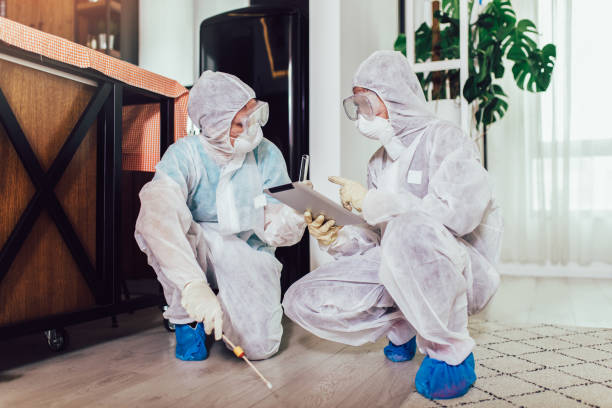
A professional service ensures proper identification of the type of pest problem and provides long-term solutions tailored to your situation.
Are Pest Control Chemicals Safe for Pets and Children?
- Keep pets and children out of treated areas for the recommended time frame specified by your exterminator.
- Discuss any concerns with your pest control provider so they can use pet-safe products where necessary.
How Can I Prevent an Infestation Before It Happens?
- Seal Entry Points – Close gaps around windows, doors, vents, and utility lines where pests may enter.
- Maintain Cleanliness – Store food in airtight containers and promptly clean up spills or crumbs.
- Proper Waste Management – Dispose of garbage regularly in sealed bins to avoid attracting scavengers such as rodents or cockroaches.
- Inspect Indoor Plants – Check plants for signs of infestations before bringing them indoors.
- Regular Inspections – Work with professionals for routine inspections that identify issues early on.
Table Example: Common Entry Points for Pests
| Entry Point | Examples | Action Steps |
| Cracks in walls | Foundation cracks | Seal with caulk or expandable foam |
| Gaps under doors | Uneven thresholds | Install door sweeps |
| Open windows without screens | Missing window screens | Add fitted screens |
| Roof openings | Damaged vents | Repair broken roof tiles |
How Long Does a Pest Control Treatment Take?
- Small-scale treatments (e.g., single rooms) typically take 30 minutes to an hour.
- Full-house fumigations may require several hours or even days depending on complexity.
Your pest control company will provide an estimated timeline tailored specifically to your home or business.
Addressing common concerns about pest control helps ensure informed decision-making while fostering peace of mind regarding safety measures taken during treatments.
How to Get Rid of Carpenter Bees Without Causing Additional Damage
Carpenter bees, while essential pollinators, can cause significant damage to wooden structures if left unchecked. Their burrowing habits often lead to structural concerns, and improper removal methods can exacerbate the problem. Here’s how you can safely and effectively address carpenter bee infestations without causing additional harm.
Identifying Carpenter Bee Activity
- Perfectly round holes in wood surfaces, especially on decks, fences, eaves, or garden furniture.
- Fine sawdust-like material (frass) near these holes.
- Sightings of large bees hovering around wooden areas during spring and summer.
Non-Destructive Methods to Remove Carpenter Bees
- Once you’re sure the bees have vacated (typically late fall when they leave their nests), seal the entrance holes with wood putty or caulk. This prevents re-infestation in future seasons.
- Use a matching paint or stain after sealing for added durability and aesthetic appeal.
- Carpenter bees dislike citrus scents. Boil citrus peels in water for about 10 minutes and spray the mixture into their nesting areas.
- Repeat this process weekly during peak activity periods.
- Purchase or build traps designed specifically for carpenter bees. These traps lure the insects into a container where they cannot escape but do not harm them immediately.
- Almond oil has properties that deter carpenter bees from boring into wood surfaces. Apply it regularly to prevent infestations.
Preventing Future Infestations
| Prevention Measure | Description |
| Paint or Stain Wooden Surfaces | Bees prefer untreated wood; painting or staining creates a protective barrier against infestation. |
| Replace Damaged Wood | Rotting or old wood is more attractive to carpenter bees due to its softness. Replace these areas promptly. |
| Install Vinyl or Aluminum Covers | Protect exposed wooden surfaces by covering them with metal or vinyl sheeting where possible. |
When Professional Help is Necessary
If the infestation persists despite your efforts or if the structural integrity of your property is at risk, it’s time to contact pest control specialists who have advanced tools and techniques for managing carpenter bee issues effectively.
Professional services often include: – Assessing hidden damages caused by extensive tunneling. – Employing safe insecticides when natural methods are insufficient. – Providing expert advice on long-term preventative measures tailored specifically for your home.
Why Avoid DIY Pesticides?
While it may be tempting to use over-the-counter insecticides on your own, improper application can harm beneficial insects like honeybees or worsen damage by agitating pests further into structures.
By following these strategies and understanding when professional intervention is needed, you can mitigate carpenter bee damage while protecting both your property and local ecosystems responsibly.
Are Bats Dangerous to Humans? Facts You Should Know About Wildlife Pests
Bats are fascinating creatures that play an essential role in maintaining ecosystems. They contribute to pollination, seed dispersal, and insect population control. However, the presence of bats in residential or commercial spaces can raise concerns about health risks and safety. Understanding whether bats are dangerous to humans and how to address potential issues is key to managing these wildlife pests appropriately.
Do Bats Pose a Danger to Humans?
- Rabies Transmission:
Though not all bats carry rabies, they are one of the most common wild animals known to transmit the disease. Rabies is a viral infection that can be fatal if left untreated. If bitten or scratched by a bat, immediate medical attention is critical. - Histoplasmosis:
Bat droppings, also known as guano, can contain fungal spores responsible for histoplasmosis — a respiratory illness that can affect humans when inhaled. This risk increases in enclosed areas like attics or caves where guano accumulates over time. - Allergic Reactions:
Bat fur, droppings, or urine may trigger allergic reactions in sensitive individuals. Prolonged exposure in indoor spaces could become a health concern for people with asthma or other respiratory conditions.
Signs You May Have a Bat Problem
- Noises at Night: Bats are nocturnal animals; you may hear scratching or fluttering sounds from walls, attics, or chimneys during the night.
- Bat Droppings: Accumulated guano near entry points such as windowsills or under eaves indicates their presence.
- Odor Issues: A strong ammonia-like smell from bat urine could indicate an infestation.
- Visible Entry Points: Cracks, holes in roofing materials, or gaps around chimneys might serve as an entry point for bats.
Preventing Bat Problems
- Seal entry points such as vents, cracks near windows and doors, and gaps around chimneys.
- Install bat-proof mesh screens over attic vents and openings.
- Use bright lights near common roosting areas; bats prefer dark environments and may avoid illuminated spaces.
- Maintain regular inspections of your roofline and attic space for signs of activity.
Steps for Safe Bat Removal
| Step | Description |
| Inspection | Identify roosting spots and access points within the property |
| Exclusion Devices | Install one-way doors allowing bats to exit but preventing reentry |
| Cleaning | Safely remove guano and disinfect impacted areas |
| Repairs | Seal all potential entry points permanently |
DIY removal is not recommended due to health risks and legal considerations surrounding bat protection laws.
When to Call Wildlife Control Professionals
If you suspect a bat infestation on your property but feel unsure about addressing it yourself, it’s best to consult experts specializing in wildlife pest control services. Professionals will ensure humane removal methods while protecting both you and the environment.
By understanding these facts about bats — including their potential dangers and prevention strategies — homeowners can take informed steps toward maintaining a safe living environment without harming these ecologically valuable mammals.
- 5 Essential Questions to Ask When Choosing the Right Exterminator Kendall FL for Your Home
- Tips from an Exterminator Kendall FL on Identifying Pest Issues Early to Prevent Infestations
- Expert Tips on Hiring an Exterminator Kendall FL for Professional Rodent Control Services
- Effective Pest Removal Kendall FL: Signs You Need Professional Help for Ant Infestations
- 6 Signs You Need Kendall FL Pest Control Services Immediately
- 5 Signs Your Business in Kendall FL Needs Professional Pest Control Services
- Top 5 Signs You Need an Exterminator Kendall FL for Professional Pest Control
- What to Expect from an Exterminator Kendall FL During a Professional Home Pest Inspection